Grow a Pollinator-Friendly Garden
This Earth Month, let your garden do more for you and the planet
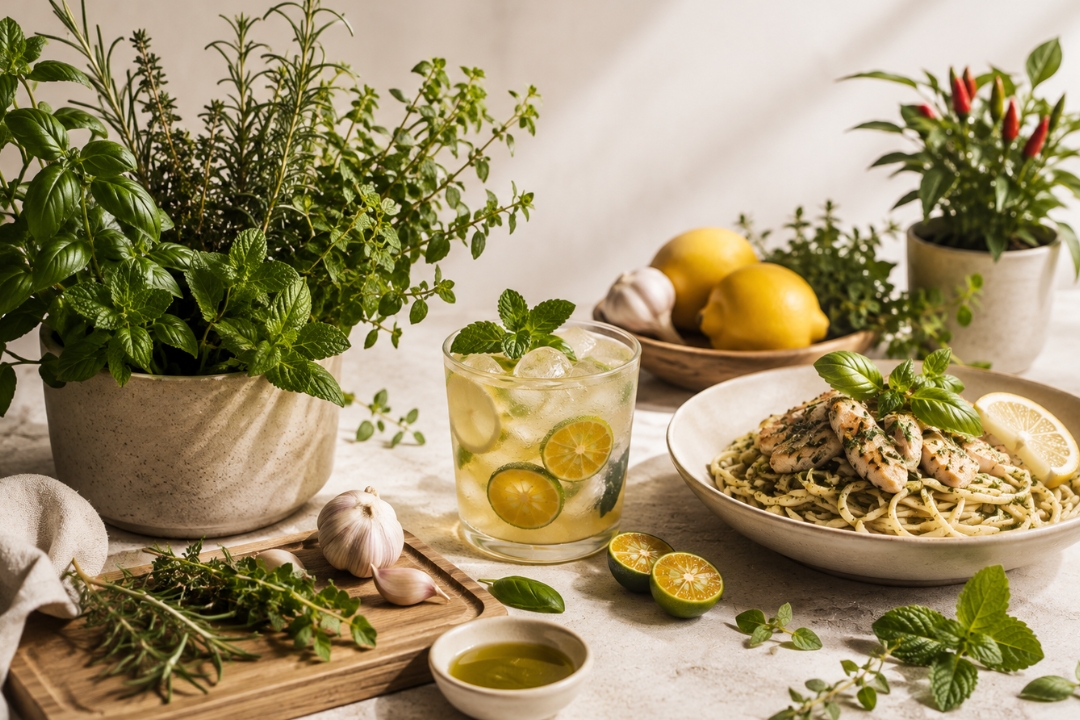
Creating a pollinator-friendly garden doesn’t have to be complicated - in fact, it can start with something as simple as growing your favourite herbs.
Not only do herbs elevate your cooking, but when allowed to flower, they become a powerful attraction for beneficial pollinators - contributing to a healthier, more sustainable ecosystem.
Why Pollinator-Friendly Gardening Matters?
Pollinators play a vital role in sustaining our ecosystems. They support plant reproduction, enhance biodiversity and contribute to the food systems we rely on every day.
Many common kitchen herbs, for instance, produce small, nectar-rich flowers that pollinators are naturally drawn to. By growing and nurturing these plants, you are not only enjoying fresh ingredients at home, but also providing a consistent food source for these essential creatures.
Here are some must-have herbs to get started:
1. Basil: A Bee Favourite in Bloom
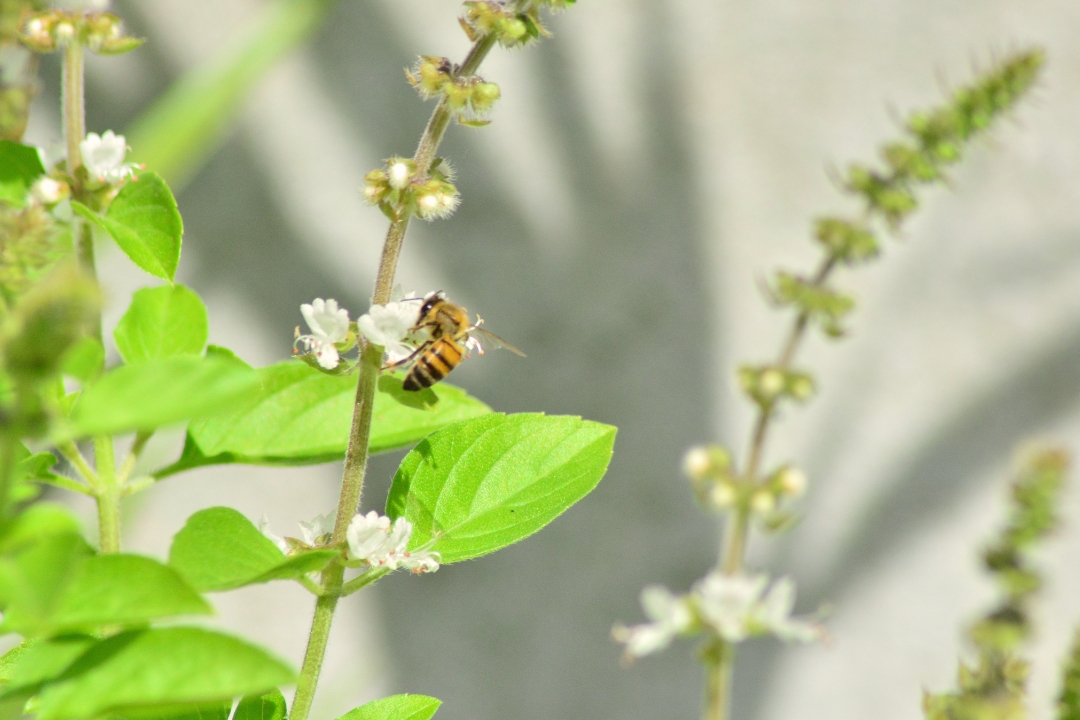
Sweet and aromatic, basil becomes even more valuable when it flowers. Its tiny white blooms are rich in nectar, making it a favourite stop for bees.
Care Tip:
Light: Partial to full sunlight.
Water: Water when soil feels dry to touch.
2. Mint: Easy Care, Lush & Pollinator-Loving
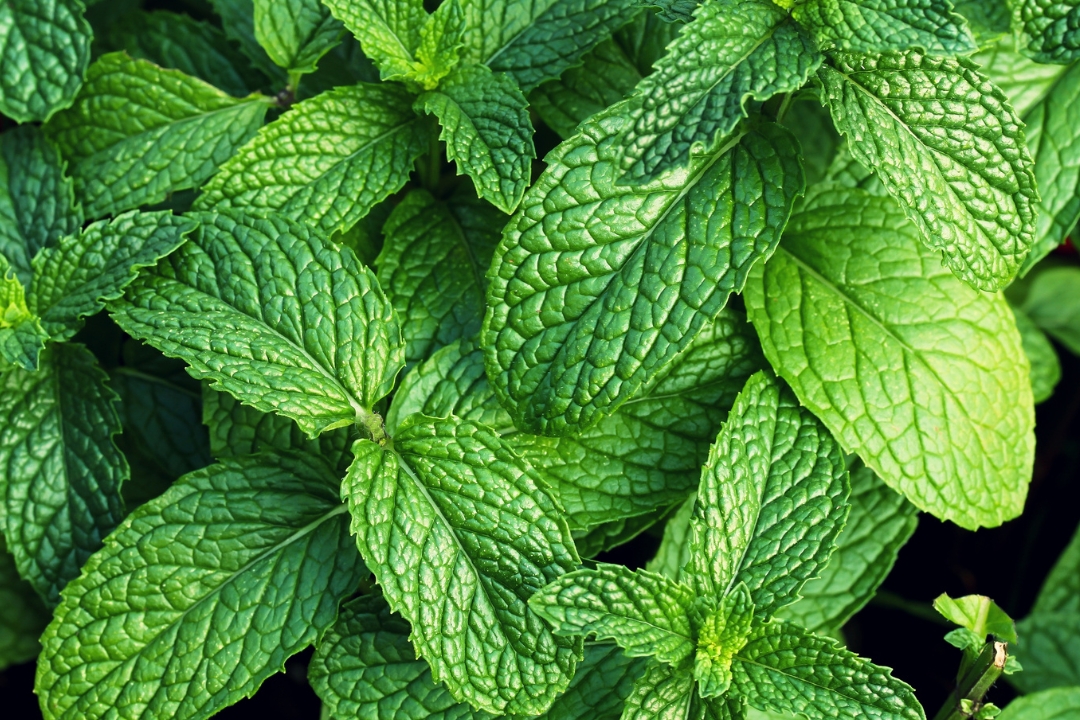
Fast-growing and low-maintenance, mint produces clusters of delicate flowers that attract a variety of pollinators.
Care Tip:
Light: Partial to full sunlight.
Water: Water when soil feels dry to touch.
3. Rosemary: Fragrant & Bee-Approved
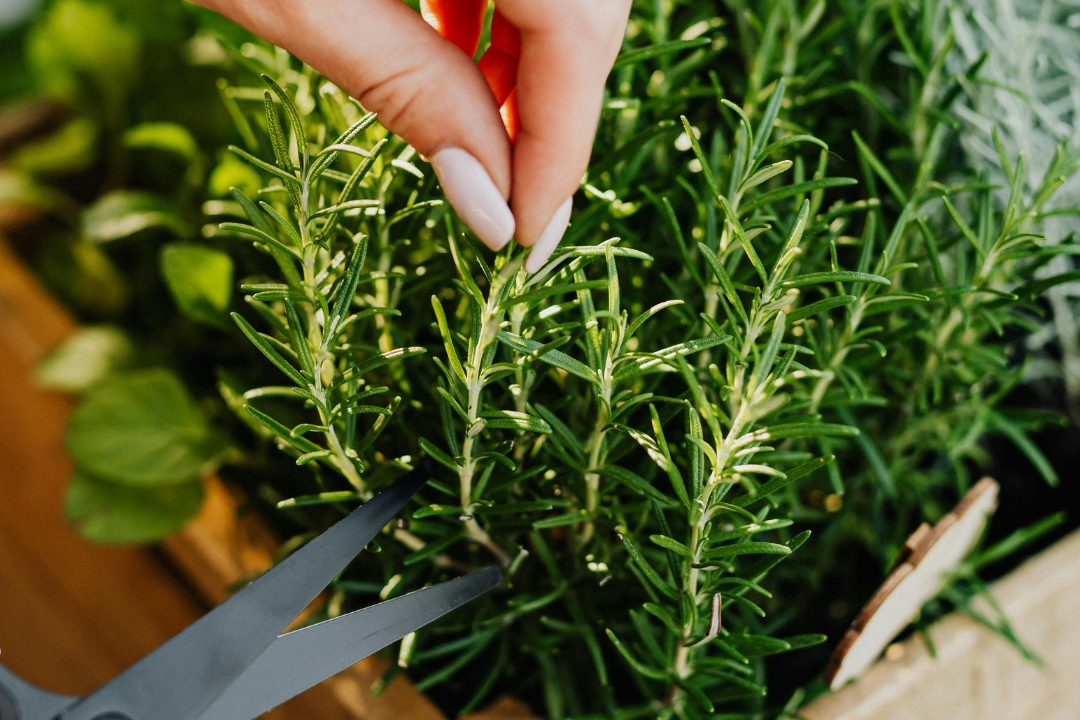
With its woody stems and delicate purple-blue flowers, rosemary is not only hardy but also a consistent nectar source for bees.
Care Tip:
Light: Partial to full sunlight.
Water: Water when soil feels dry to touch.
4. Thyme: Small Blooms, Big Impact
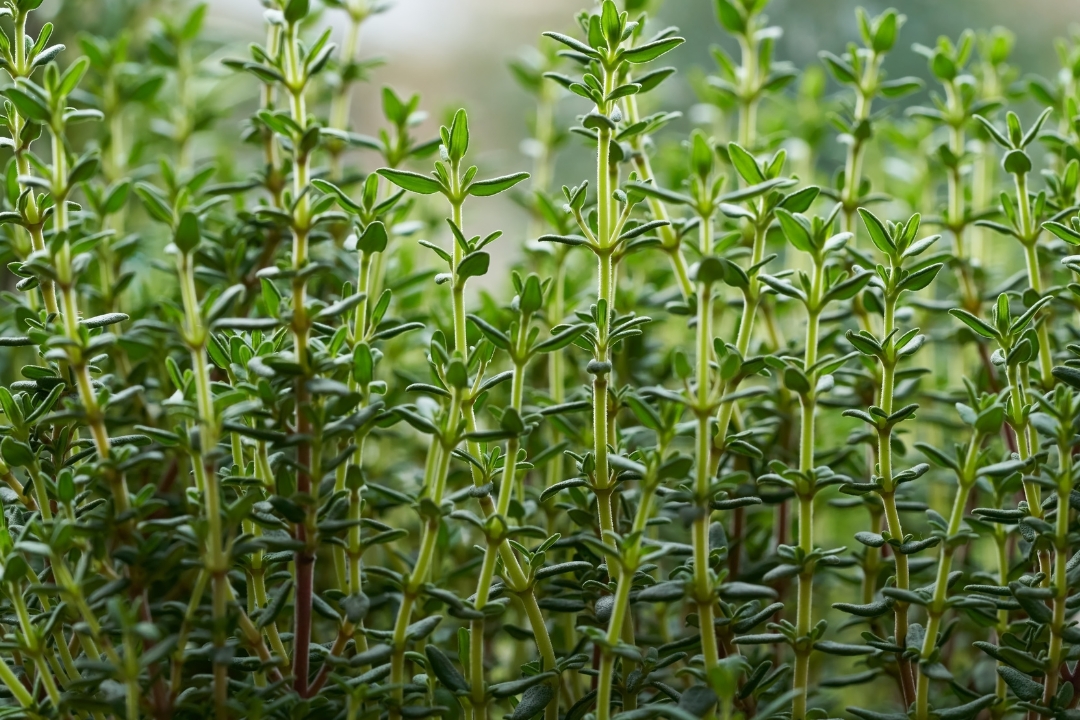
Do not underestimate thyme - its tiny flowers are packed with nectar and are highly attractive to pollinators. They are perfect for the edge of pots, garden beds or even as ground cover in larger spaces.
Care Tip:
Light: Partial to full sunlight.
Water: Water when soil feels dry to touch.
5. Chinese Parsley (Coriander): A Hidden Pollinator Gem
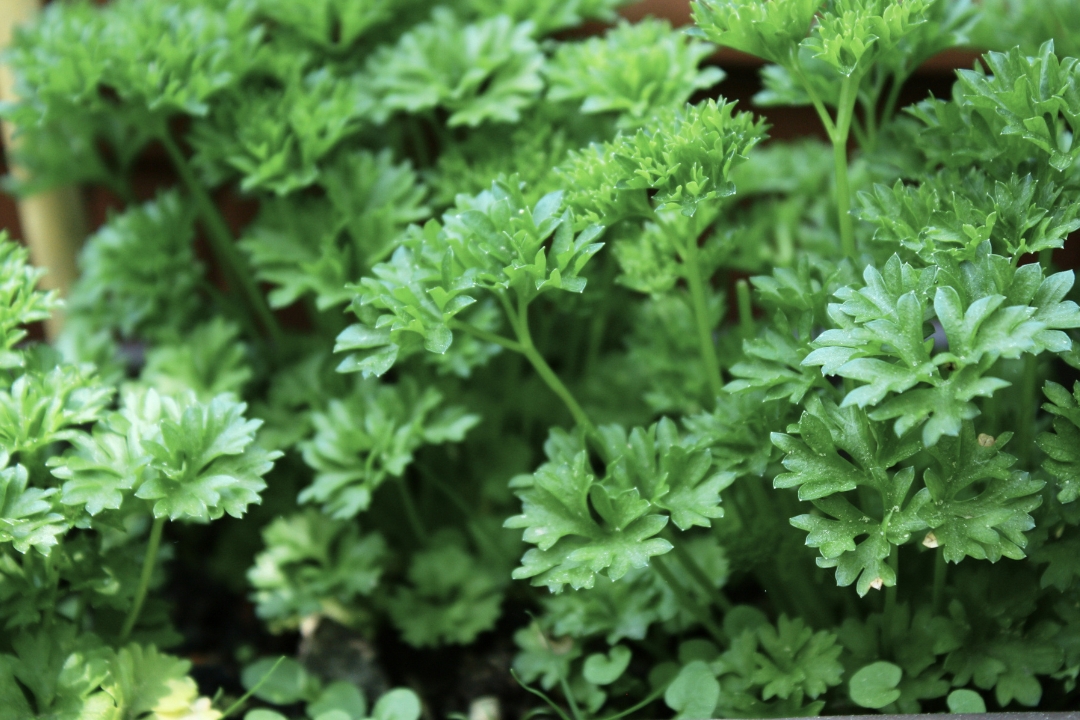
Often harvested before it flowers, Chinese parsley (coriander) produces delicate white blooms that are highly attractive to bees and beneficial insects.
Care Tip:
Light: Full sunlight.
Water: Water when soil feels dry to touch.
Help Your Herbs Thrive, Naturally
Healthy, flowering herbs are key to attracting pollinators - and that starts with good soil care.
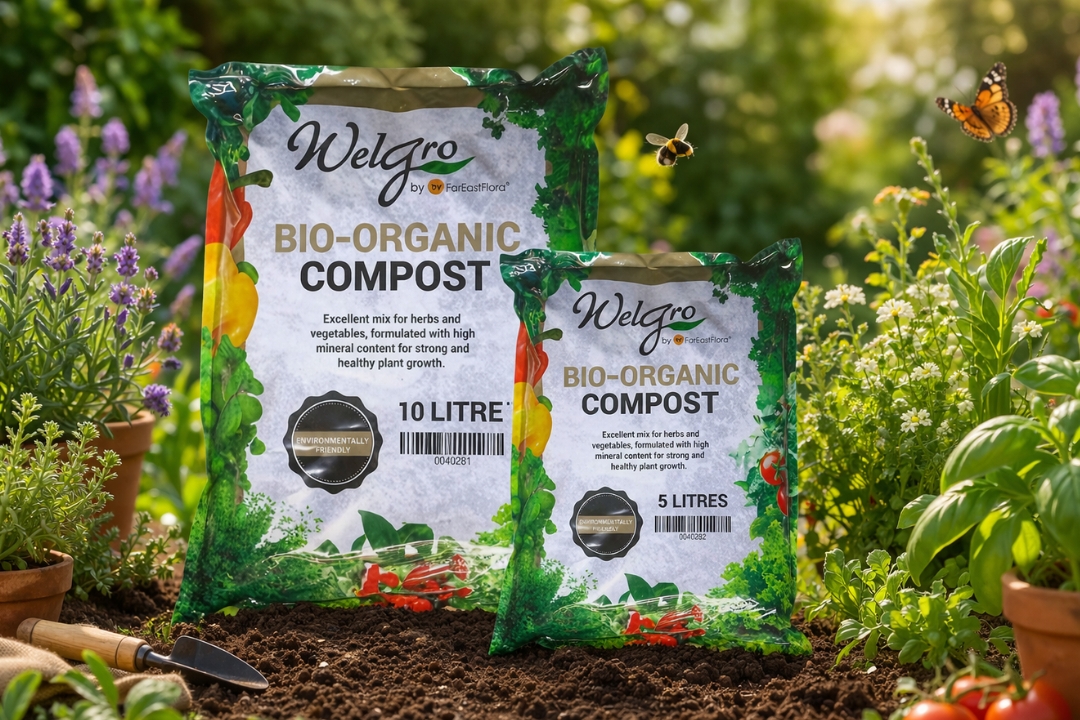
Using organic fertilisers supports:
- Stronger root development
- More abundant flowering
- A safer environment for pollinators
By feeding your plants naturally, you are ensuring your garden stays both productive and pollinator-friendly.
Shop: Welgro Bio-organic Compost